First Solo Camping Trip: What to Know Before You Go
This article may contain affiliate links. If you make a purchase through these links, we may earn a small commission at no extra cost to you. This helps us keep creating free content.
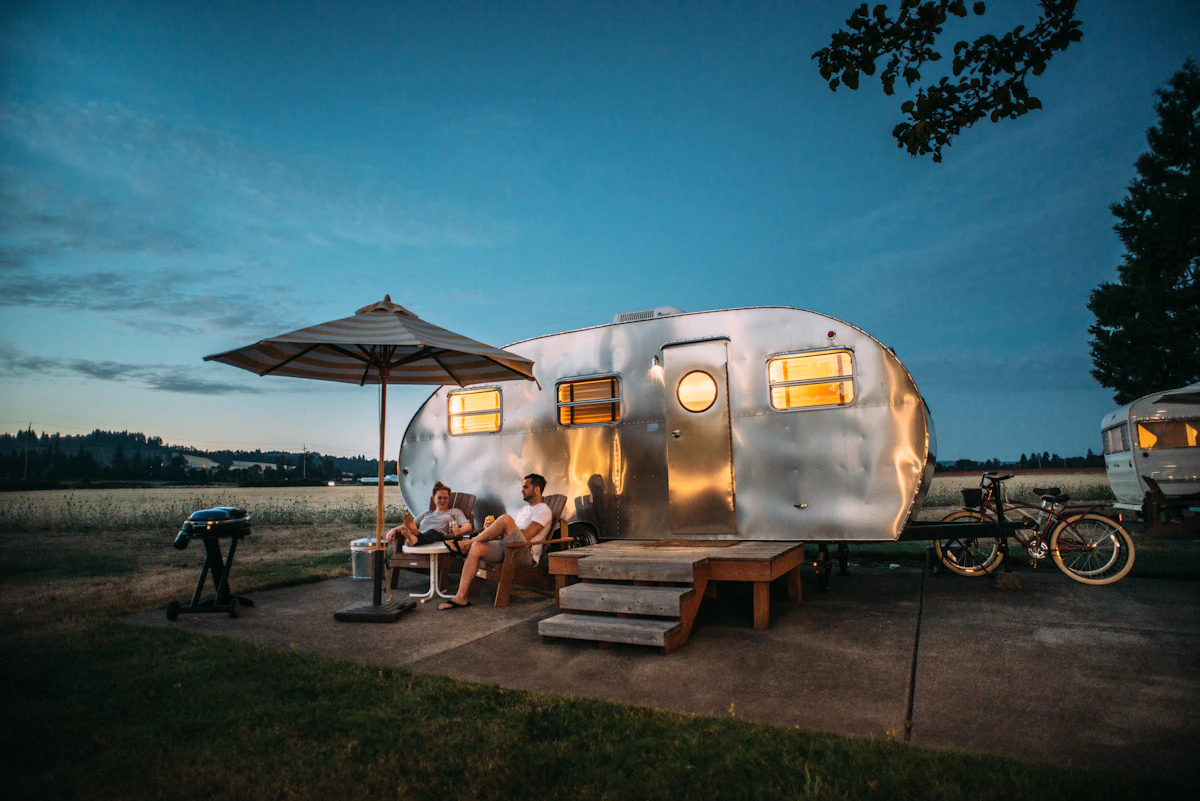
A first solo camping trip is mostly a logistics problem. Everything two people normally split, driving, pitching the tent, cooking, watching the weather, noticing that the headlamp batteries are dead, now sits with one person. Trips that go badly are rarely the dramatic ones. They are the ones where a small thing was not planned for and there was nobody else to cover it.
Here is what to settle before you leave, and what tends to go wrong on the first night.
Choose a Site That Removes Variables
For a first solo trip, book a developed campground rather than dispersed or backcountry camping. A camp host on site, neighbors within sight, marked sites, drinking water and a toilet remove most of the situations that are genuinely harder alone. Reserve instead of gambling on first come, first served: arriving at dusk to a full campground turns a calm evening into a search for somewhere legal to sleep.
Check cell coverage on your carrier's map for the campground itself, not the nearest town, and assume reality will be worse than the map. Download offline maps for the whole route and the area around the site before you leave home. Save the campground's number and the nearest ranger station or sheriff's non-emergency line in your phone and on paper, because a phone in a cold tent loses charge faster than you expect.
Keep the drive short. A campground within two hours of home means leaving early is always an option, and knowing you can leave is what makes most people stay.
The Communication Plan
One person should know where you are, in writing, before you drive off. Send them the campground name, the site number once you have it, your vehicle description and plate, your arrival and departure times, and the time by which they should start worrying. Agree on what happens if you miss a check-in: they call you, then the campground, then the ranger station or sheriff. A plan without that escalation, with a named time attached to each step, is not a plan.
Arrive in Daylight
Aim to be on site at least two hours before sunset. Pitching a tent, finding the water spigot, locating the toilet and working out where the fire ring sits is straightforward in daylight and slow in the dark with one headlamp. Arriving early also means you meet your neighbors, which does more for a sense of safety than most gear does.
Set the tent up once in the yard before the trip, alone, start to finish. A tent two people pitch easily can be awkward for one, and a large awning or canopy in any wind is a two-person job. If a piece of kit needs a second pair of hands, find that out at home rather than at the site.
Cooking for One
Food planning for one is not a scaled-down version of group cooking. Group menus assume someone tends the fire while someone else chops. Alone you do both, usually while tired from the drive, and often in fading light.
What works: one-pot meals, ingredients portioned at home, and a menu simple enough that nothing needs unbroken attention for more than ten minutes. A foil packet of sausage, peppers and potatoes on the fire is a complete dinner. Trail mix and fruit is a legitimate lunch. Pack one meal more than you plan to eat, and make sure one of them needs no cooking at all, for the evening when a fire ban, rain or plain tiredness wins.


Food Storage and the Fire
Food, trash, cooking gear and anything scented goes in the vehicle or the provided locker overnight, never in the tent. That applies in every campground, not only in bear country: raccoons and rodents open more coolers than large animals do, and a solo camper has nobody to watch the site during a walk to the toilet.
Keep the cooler drained and the ice topped up. One person opens a cooler more often than a group does, because there is nobody to fetch things, and every opening costs you cold.
Keep fires small when you are alone, and never leave one burning while you walk away, even briefly. The right size is a fire you can put out with the water already at hand in under a minute. Douse it, stir the ashes, douse again, and check that it is cold to the back of your hand before you sleep.
What Actually Goes Wrong
- Light. One headlamp with tired batteries is the most common failure of a first solo trip. Bring a headlamp, a lantern for the table, spare batteries for both, and keep a small light inside the tent so you are never searching for one in the dark.
- The vehicle. Arrive with at least half a tank, check tire pressure and the spare before leaving, and carry jumper cables or a jump pack. A flat battery is an inconvenience with company and a long evening alone.
- Keys. Carry a spare in a zipped pocket, not in the vehicle and not on the same ring as the original.
- Weather. Check the forecast the morning you leave, not the week before, and know the wind speed at which your tent or awning has to come down. Stake everything, including the guy lines you would skip on a calm night.
- Night noise. Sounds are harder to dismiss when there is nobody to compare notes with. Walking the site in daylight and noting what is around you, the creek, the road, the neighboring sites, turns most night noises into something identifiable. Earplugs help in a developed campground where neighbors are close.
- Medical. A first aid kit you have actually opened, prescription medication in its labelled container, and a card in your wallet with allergies and emergency contacts.
Solitude Is the Point
The stretch around sunset, when other sites are gathering and yours is not, is the part most people find hardest on a first solo trip. It usually passes within the first evening. What replaces it is the reason people keep going alone: the schedule is entirely yours. Dinner at 4:30 or at 9:00 is nobody else's business. An hour with coffee and a book, then a hike late in the day when the trails clear, is a perfectly good plan, and so is a nap at 2 PM and no hike at all.
Expect to talk to more strangers than usual. Without a built-in conversation partner, neighbors, camp hosts and other hikers become the people you speak to, and campgrounds are unusually easy places for that.
Start With One Night
Book a single night at a developed campground within two hours of home, arrive in daylight, and treat it as a test of your system rather than a trip that has to be memorable. You will learn which gear you cannot manage alone, whether your check-in plan survives poor reception, and how the evening actually feels with nobody else at the site. That is enough to plan the second trip properly, and the second trip is where the longer, quieter places start to make sense.
Published by the My Camper Friend editorial team. Published August 3, 2026. Updated September 11, 2026.
Editorial responsibility: see Imprint.
Spotted an error or have something to add? corrections@mycamperfriend.com
📖 All articles on My Camper Friend →
Browse our other articles
Campsite Tips & Gear Picks
New guides, campground reviews, and adventure ideas — delivered to your inbox.
🎁 Free bonus: RV Trip Packing Checklist (PDF)
You might also like
The Unwritten Rules of Campground Etiquette (From Someone Who's Broken Most of Them)
Nobody hands you a rulebook when you pull into a campground. Here are the unspoken etiquette norms that keep everyone happy — learned mostly through embarrassing mistakes.

Camping Etiquette: 15 Unwritten Rules Every Camper Should Know
Nobody hands you a rulebook at the campground gate. These 15 unwritten camping rules keep everyone happy and help you avoid being 'that camper' nobody wants next to their site.

The Complete Beginner's Guide to RV Camping in 2026
Everything you need to know before your first RV trip, from choosing the right rig to hooking up at camp. No jargon, no gatekeeping.