The Unwritten Rules of Campground Etiquette (From Someone Who's Broken Most of Them)
This article may contain affiliate links. If you make a purchase through these links, we may earn a small commission at no extra cost to you. This helps us keep creating free content.
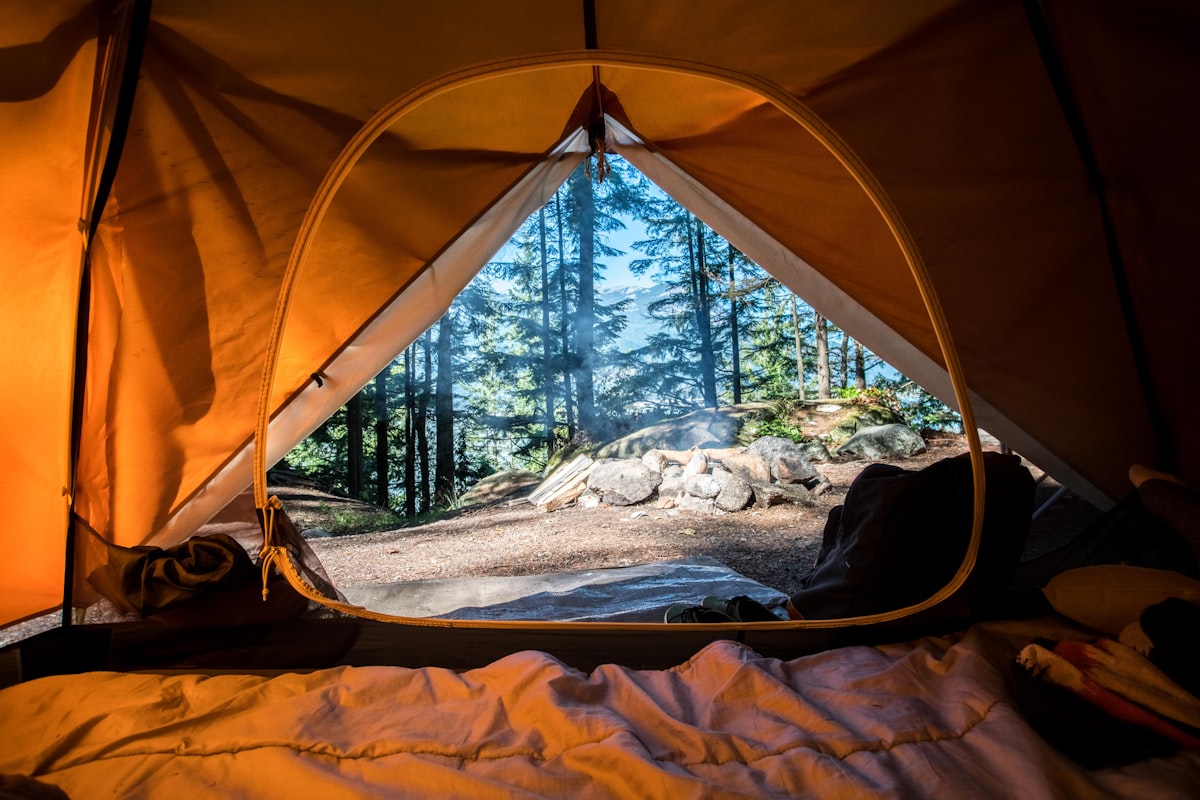
There's no orientation video when you pull into a campground. Nobody hands you a laminated card of social norms. You just... figure it out. Usually by accidentally doing something that earns you a look from the couple in site 14 or a passive-aggressive note on your windshield.
Anyone can be that person. More than once. So consider this a gentle field guide, built from enough campground faux pas to finally get it right.
Quiet Hours Are Real Hours
Most campgrounds post quiet hours, typically 10 PM to 7 or 8 AM, and they exist for a very good reason. People camp to sleep under the stars, not to listen to your Bluetooth speaker playing classic rock at midnight.
But here's the part people miss: quiet hours have a spirit, not just a letter. Slamming car doors at 6:55 AM, running a generator at 10:01 PM, or having a "whispered" conversation that carries across three sites, these all violate the spirit, even if they technically fall within the rules.
A good guideline: after 9 PM, act like everyone around you is already asleep. Some of them are. And the ones who aren't will appreciate the consideration.
Stay Off Other People's Sites
This one seems obvious, but it happens constantly. Campsite boundaries aren't always clearly marked, and it's easy to drift, cutting through someone's site to get to the bathroom, letting your kids play on the edge of a neighbor's area, or setting up your chairs so they spill onto the next site.
Think of each campsite like a little temporary yard. You wouldn't walk through a stranger's backyard at home, right? Stick to the roads and common paths, even if it means walking an extra thirty seconds to reach the restroom.
Your Dog Is Your Responsibility (All of It)
Dog people, this one matters. Off-leash campground chaos could fill a whole separate article. Even if your dog is the friendliest creature alive, not everyone wants to meet them, and the dog in the next site over might not be friendly at all.
Leash your dog. Pick up after them immediately (yes, even if it's off the beaten path). Don't leave them barking in your campsite while you hike. And please, genuinely, do not let them approach other campers' food, gear, or children without explicit invitation.

Generator Manners
Generators are one of the most reliable sources of campground tension. Some campgrounds have specific generator hours (often 8 AM to 8 PM); follow them. But even during approved hours, be aware that your generator's steady hum can be grating for the tent campers nearby who came here specifically to escape mechanical noise.

If your campground allows generators, run them for the minimum time needed to charge what you need, then switch off. And if you're in a mixed-use campground with both RV and tent sites, extra consideration goes a long way.
Campfire Smoke Awareness
You can't control which way smoke blows, but you can be aware of it. If your fire is sending a steady stream of smoke directly into your neighbor's campsite, especially where they're eating or sleeping, it's worth adjusting your fire, adding drier wood, or simply acknowledging it with a friendly "sorry about the smoke, hope it shifts soon." A little awareness goes further than you'd think.
The Bathroom Situation
Shared campground bathrooms are a test of character. Leave them the way you'd want to find them. Wipe down the sink after you use it. Don't leave soap or personal items scattered on the counter. If you use the last of the toilet paper, tell the camp host. And for the love of all things sacred, if there's a line, keep your shower under ten minutes.
Headlights and Flashlights After Dark
This is an easy one to be guilty of early on. Pulling into a campground late at night with full headlights on, then sweeping a flashlight beam across half the campground while setting up. Every beam that crosses a tent wall wakes someone up.
If you arrive after dark, use parking lights as you drive through, set up with a dimmed headlamp pointed downward, and keep movements minimal. If you know you'll arrive late, set up what you can in a parking area before driving to your site.
The Golden Rule, Campground Edition
Most campground etiquette boils down to one thing: remember that everyone came here for the same reason you did, to enjoy being outside, to unwind, to get a little distance from the noise of regular life. Every small act of consideration compounds. You keep it quiet, they keep it quiet, and everybody sleeps better.
Be the neighbor you'd want to camp next to, and you'll find that most people return the favor.
Published by the My Camper Friend editorial team. Published August 7, 2026. Updated September 11, 2026.
Editorial responsibility: see Imprint.
Spotted an error or have something to add? corrections@mycamperfriend.com
📖 All articles on My Camper Friend →
Browse our other articles
Campsite Tips & Gear Picks
New guides, campground reviews, and adventure ideas — delivered to your inbox.
🎁 Free bonus: RV Trip Packing Checklist (PDF)
You might also like

Camping Etiquette: 15 Unwritten Rules Every Camper Should Know
Nobody hands you a rulebook at the campground gate. These 15 unwritten camping rules keep everyone happy and help you avoid being 'that camper' nobody wants next to their site.
First Solo Camping Trip: What to Know Before You Go
Going camping alone for the first time can feel intimidating. Here is what actually matters on a first solo trip, and what does not.

How to Choose the Right Campsite: Shade, Views, and Avoiding the Highway
Not all campsites are created equal. Learn how to scout for shade, score the best views, dodge highway noise, and land a spot that makes your whole trip better.